
How Do Porta Potties Work On A Job Site?
A standard unit is a self-contained box, about 44 by 48 inches on the ground and 92 inches tall, set on a level pad near the work zone. When a construction worker walks over during a break, there is no flush handle and no water line. Waste drops into the tank below, where the holding chemical breaks down solids and keeps the smell down between service days. That chemical is the same family of deodorizer used across standard porta potty rental units and porta john rental fleets citywide.
OSHA 1926.51(c)(1) sets the ratio that decides how many units a New Bedford crew needs: one toilet for 20 workers or fewer, then one toilet and one urinal per 40 workers as the crew grows, dropping to one per 50 once you pass 200 people on site. That is the backbone of construction site services planning. Service intervals follow ANSI/PSAI Z4.3, which sets a baseline of one pump-out per week for up to 10 users over a 40 hour week. Heavier crews need more frequent visits or more units, which is covered on how many porta potties do I need and OSHA portable toilet requirements.
How Do Flushable Porta Potties Work?
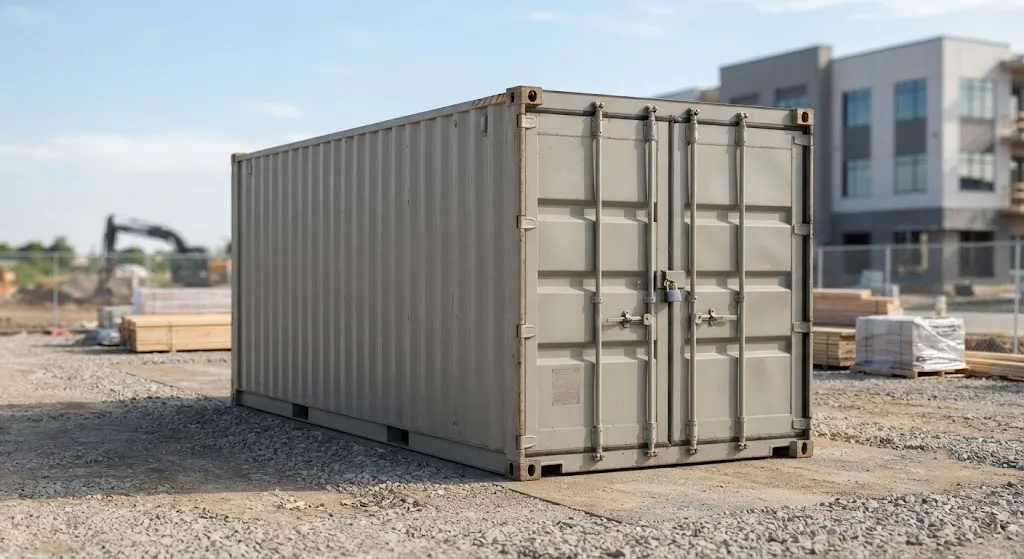
A deluxe flushable porta potty uses a small onboard freshwater reservoir and a foot pump or electric pump to push a rinse of water through the bowl after each use, instead of relying only on the holding tank. The waste still goes into a sealed tank below, just like a standard unit, but the flush cuts odor and makes the unit feel closer to a home bathroom. These run higher than standard units, which makes sense once you compare the porta potty rental cost tables side by side.
| unit type | day | week | month |
|---|---|---|---|
| standard | 100-350 | 130-500 | 125-325 |
| deluxe flushable | 85-1200 | 150-290 | not offered |
| ADA accessible | 200-400 | 120-240 | not offered |
Weddings and small events in New Bedford often pick deluxe units for exactly this reason. See wedding restroom rental and event restroom rental for setup details, or check porta potty rental per day if you only need one for a weekend.
How Does A Portable Sink Work?
A portable sink rental unit works off the same no-hookup logic as a porta potty: a fresh water tank feeds the faucet, either by foot pump or a small pressurized pump, and a separate gray water tank underneath catches the runoff. Soap and paper towel dispensers are built into the unit. That matters because 29 CFR 1910.141(d)(2) requires washing facilities to have soap and towels or a hand-drying device, not just sanitizer. On paint, coating, herbicide or insecticide jobs, OSHA 1926.51(f)(1) specifically requires washing facilities for that contaminant exposure, which is why handwashing station rental and hand sanitizer station rental are separate products. A sanitizer stand alone does not satisfy that rule. Full detail sits on handwashing requirements.
How Do Camping Porta Potties Work?
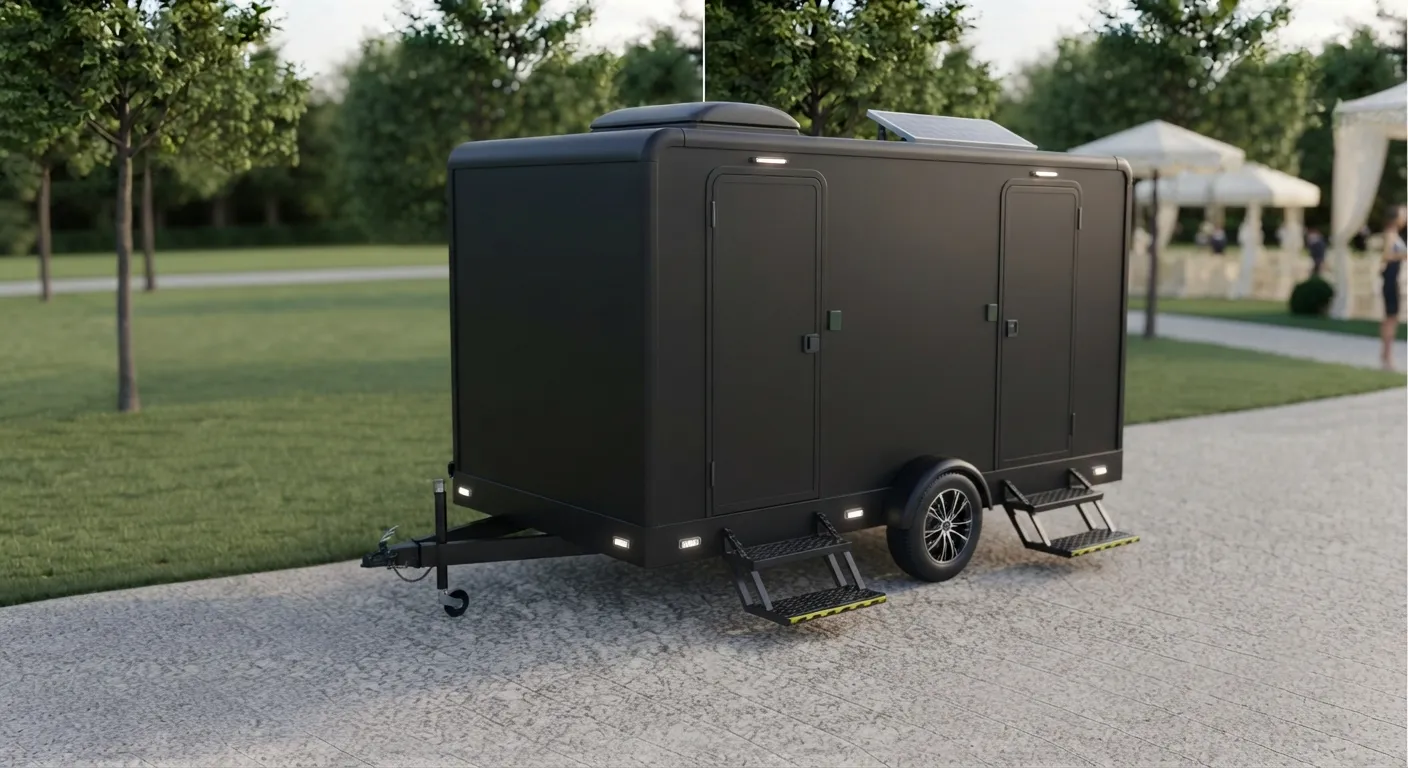
Camping units work the same way as job site units but scaled down and built for infrequent, low-volume use rather than an 8-hour crew shift. The sealed tank and deodorant chemical setup is identical, just sized for a family or small group over a weekend rather than 20 workers over 40 hours. For anyone renting near the coast, camping porta potty covers placement basics, and porta potty placement guide covers ground stability, which matters most on soft or sandy ground around New Bedford. Winter camping trips should also check porta potty in winter, since holding tank chemistry behaves differently below freezing.
If your event needs accessible seating, ADA Standards section 213.2 requires at least 5 percent of a cluster of single-user units to be accessible, never fewer than one, and section 304.3.1 calls for a 60 inch turning circle inside that unit. Details are on ADA accessible porta potty and ADA restroom requirements.
For anyone comparing what a septic tank cleaning chemical does versus a porta potty chemical: a residential septic tank in New Bedford is typically pumped every 3 to 5 years depending on tank size and household size, a different service entirely from portable toilet servicing. See septic pumping service and how often to pump a septic tank for that side of the business, or grease trap pumping if you run a restaurant, since a grease interceptor is pumped once fats, oils, grease and solids reach 25 percent of the liquid depth.
New Bedford Porta Pros delivers within a tight radius that includes Acushnet Center 3.3 miles northeast and Fairhaven 4.9 miles southeast, with Dartmouth 10.7 miles south for larger site jobs. Check service areas or the full porta potty rental in New Bedford page for coverage.
Frequently asked questions
How often does a porta potty get pumped?
ANSI/PSAI Z4.3 sets a baseline of once per week for up to 10 users over a 40 hour week. Busy construction sites or event weekends often need more frequent pump-outs. New Bedford Porta Pros can schedule extra visits; details are on how often are porta potties cleaned.
Do porta potties smell if serviced on schedule?
Not much. The deodorizing chemical in the tank neutralizes most odor between services, and proper placement away from direct sun helps too. See do porta potties smell for placement tips that cut smell further.
What chemicals go in a porta potty?
A blue deodorizing and waste-breakdown chemical, added to the holding tank at setup and topped off at each service visit. It is not the same product used for septic tank cleaning, which targets a much larger tank system.
How many porta potties does my job site need?
OSHA 1926.51(c)(1) sets the ratio: one toilet per 20 workers or fewer, one toilet and one urinal per 40 above that. Full guidance is on how many porta potties do I need.
Can I rent a portable sink separate from a toilet?
Yes. Portable sink rental units rent standalone for crews that already have restrooms but need handwashing to meet 29 CFR 1910.141(d)(2), which requires soap and towels, not sanitizer alone.
Next step
Get a delivery date
Tell us the address, the dates and the headcount. We size the order and confirm the route.