
Where should a porta potty go on a job site?
Pick flat, compacted ground first. ADA Standards section 302.1 calls for surfaces that are stable, firm and slip resistant, and that rule is worth following even on non-accessible units, because a unit that rocks on soft dirt tips over. Keep the door swing clear and leave a path at least 36 inches wide, matching ADA Standards section 403.5.1, so anyone moving a hand truck or a stroller past it has room. On a construction site in New Bedford, that path usually runs along the fence line, away from where temporary fencing or a chain link perimeter is going up. Keep units roughly 5 feet off any wall so the service truck's hose can reach around back. If the job also has a roll-off dumpster, separate the two by enough distance that the pump truck and the dumpster truck are not fighting for the same 60 feet of straight clearance a roll-off delivery needs. For events, check the porta potty placement guide against your expected headcount using how many porta potties do I need before you settle on a spot.
What are the porta potty placement rules near a dumpster or fence line?
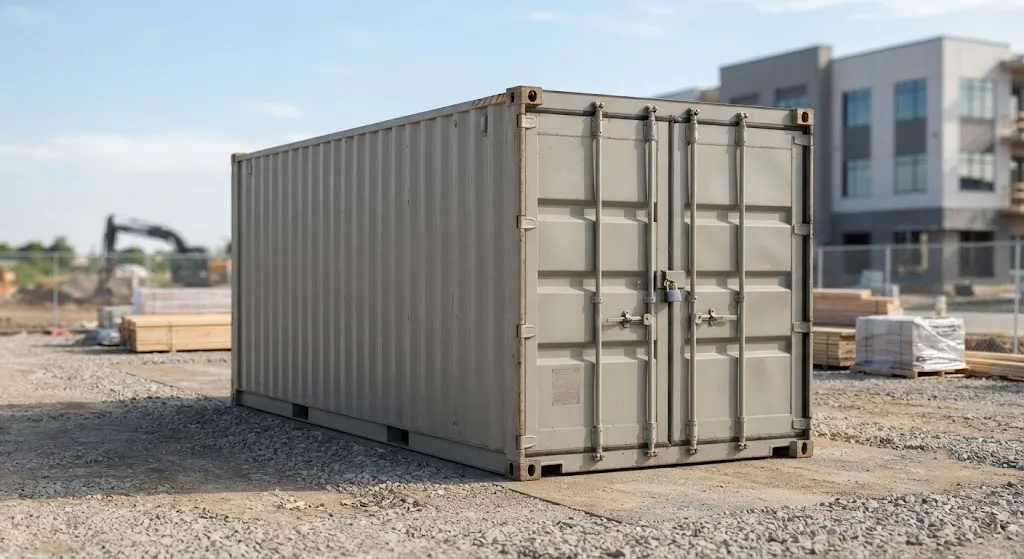
Placement rules for portable toilets, dumpsters and temporary fencing in New Bedford often overlap because they all sit in the same staging strip along a job site. A dumpster placement permit may be required depending on whether the container sits on the street or the sidewalk, and dumpster placement permit cost varies by location, so confirm specifics with the City of New Bedford before delivery day; that detail is not something we can verify from here, and guessing at a fee number would do you more harm than good. The same caution applies to porta potty permit requirements. If the unit sits fully on private property, most jobs move ahead without issue, but placement in the public right of way needs confirming with the city directly. Review dumpster permit requirements and porta potty permit requirements before you finalize a layout, especially for a downtown New Bedford address where curb space is tight. Keep barricades around any unit sitting near vehicle traffic; OSHA 1926.202 requires barricades protecting employees to meet ANSI D6.1, which is a reasonable standard to apply near a dumpster too.
How many units and how far apart should they be spaced?
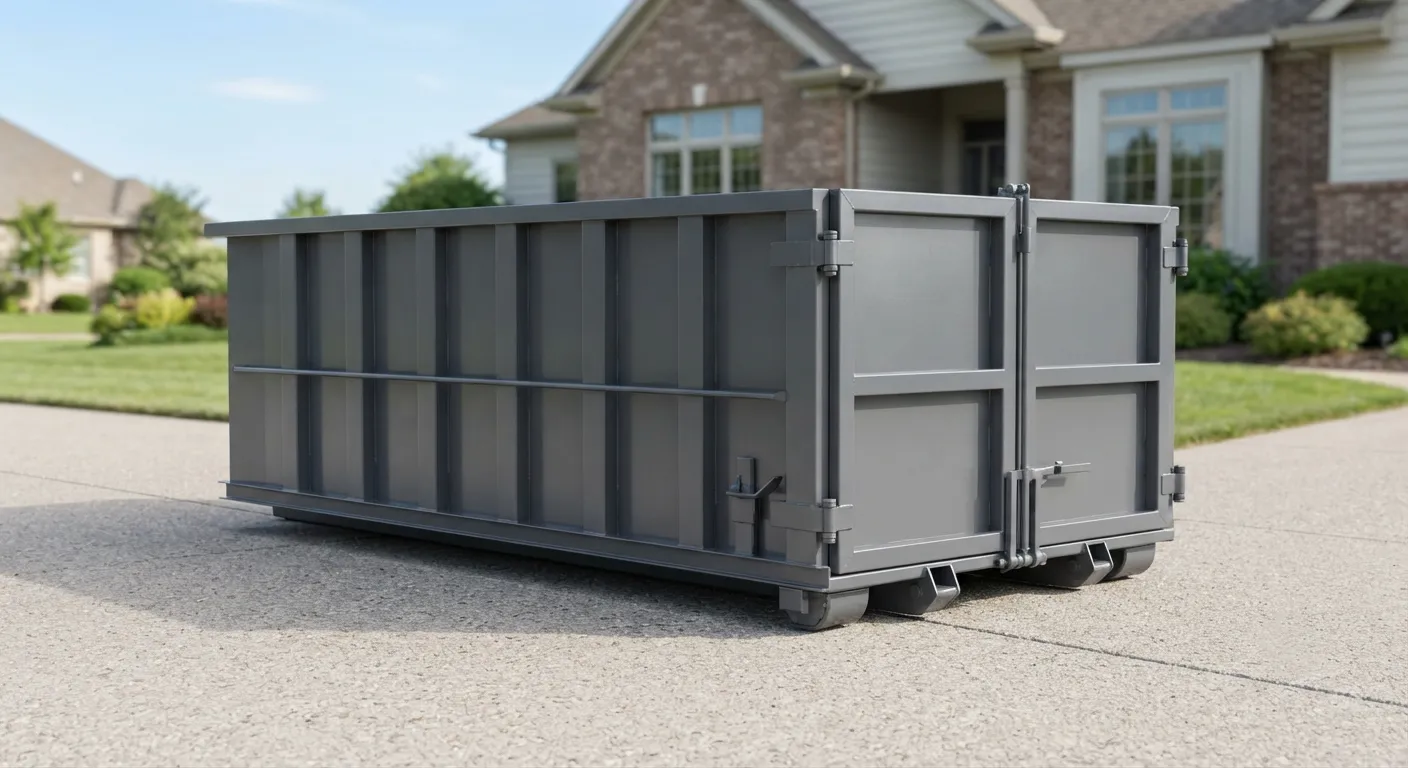
OSHA 1926.51(c) sets the ratio: one toilet for 20 workers or fewer, then one toilet seat and one urinal per 40 workers as the crew grows past that, and one per 50 once you're at 200 or more. Spread multiple units along the site rather than clustering them at one corner, so no one walks further than they would to a break trailer. ANSI/PSAI Z4.3 sets the baseline service interval at once a week for up to 10 users over a 40-hour week, so if your crew count is higher, more frequent pumping keeps units from filling before the truck returns. If the project needs an accessible unit, ADA Standards section 213.2 requires at least 5 percent of a cluster to be accessible, and never fewer than one, so a run of four or five standard units still needs one ADA accessible porta potty in the mix. That unit needs its own 60 inch turning circle per ADA Standards section 304.3.1, so give it more clearance than a standard unit gets. For weddings, festivals, or a golf tournament, the same spacing logic applies; see event restroom rental, wedding restroom rental, and golf tournament restrooms for layout notes specific to those events.

Does winter or wet ground change where a unit can sit?
Yes. Wet or freezing ground shifts placement toward higher, drained spots, and away from areas that pool water after rain, since a tipped unit in winter is a bigger cleanup than one in July. See porta potty in winter for cold-weather servicing notes. If the site also runs a restroom trailer or a mobile office trailer, check door hardware before the season turns; a trailer with a stuck door in January is a bigger problem than a stuck door in June, and mobile office trailer replacement doors are sometimes needed after a hard freeze warps a frame. A portable sink or handwashing station placed nearby needs the same drainage consideration; parts like ozark river portable sink replacement parts come up more often on units that sit in standing water all winter. OSHA 1926.51(a)(1) requires an adequate supply of potable water at the site regardless of season, so don't let a station freeze solid without a backup plan. Twenty-nine CFR 1910.141(d)(2) also requires soap and towels or a hand-drying device at any washing facility, sanitizer alone does not satisfy it.
Frequently asked questions
How far from the work area should a porta potty be placed?
Close enough that workers actually use it. A distance under 200 feet is a common target on active construction sites, and OSHA 1926.51(c) does not set a hard number, so use judgment based on site size. Reference OSHA portable toilet requirements for the full ratio table.
Can a porta potty sit on a public sidewalk in New Bedford?
Usually not without a permit, and that specific rule needs confirming with the city rather than assumed. Keep units on private property whenever the layout allows it. See porta potty permit requirements for what to check before delivery.
What ground surface works best under a portable toilet?
Compacted gravel or paved surfaces work best because they stay stable in rain. ADA Standards section 302.1 calls for firm, slip-resistant surfaces, a good baseline even for standard units. Avoid soft grass after heavy rain.
Does a septic pumping job affect where a unit is placed?
Not directly, but keep truck access clear on both jobs. A residential tank is typically pumped every 3 to 5 years; see septic pumping service or how often to pump a septic tank for details, including questions like placerville septic pumping service scheduling comparisons.
Who do I call in New Bedford to confirm placement rules?
Contact New Bedford Porta Pros directly through request a quote or contact, and we'll help you plan layout before delivery. For city-specific permit questions, check with New Bedford's permitting office directly.
Next step
Get a delivery date
Tell us the address, the dates and the headcount. We size the order and confirm the route.